






Moving a pool table in the Green Bay area requires professional disassembly, careful slate handling, and precision reassembly to protect your investment. A standard slate pool table weighs between 700 and 1,000 pounds, making it one of the heaviest and most fragile items in any home.
Whether you’re relocating across town to De Pere, upgrading your basement in Ashwaubenon, or setting up a new game room in Appleton, here’s everything you need to plan a safe, stress-free pool table move.
Key Takeaways
- Slate pool tables weigh 700 to 1,000+ pounds and must be fully disassembled before transport to prevent cracking, warping, or injury.
- Professional pool table moving typically costs $300 to $800 in the Green Bay area, covering disassembly, transport, reassembly, and leveling.
- DIY pool table moves carry serious risks, including cracked slate that can cost hundreds or thousands to replace, torn felt, and back injuries.
- Your game room needs 13 to 18 feet of clearance depending on table size and cue length for comfortable play after setup.
- Refelting during a move saves time and money, since the felt is already removed during disassembly.
Why Is Moving a Pool Table So Different from Other Furniture?
A pool table is not like a couch or a dining set. It’s a precision-engineered piece of equipment built around heavy, fragile slate that must remain perfectly flat for accurate gameplay. Understanding what makes pool tables unique helps explain why professional movers are so important for this job.
Weight, Slate, and Precision Engineering
The playing surface of most quality pool tables is made from slate, a dense natural stone that accounts for roughly 70% of the table’s total weight. A single-piece slate bed can weigh over 450 pounds on its own, while three-piece slate sections weigh 150 to 250 pounds each. Combined with the hardwood frame, rails, and legs, an 8-foot slate table can easily top 1,000 pounds.
That weight sits on a frame designed to keep the surface perfectly level. Even minor shifting during transport can throw off the balance and ruin gameplay. The slate itself is surprisingly brittle under stress, and a single crack can make the entire surface unusable.
Why Disassembly Is Required for Safe Transport
Pool tables are not designed to be moved in one piece. Trying to slide, tilt, or carry a fully assembled table risks cracking the slate, tearing the felt, warping the frame, or causing serious injury. The only safe approach is complete disassembly: removing pockets, rails, felt, slate sections, and legs before packing and transporting each component individually.
Even moving a pool table a short distance within your home requires caution. Furniture sliders can work for repositioning within the same room, but for any move that involves doorways, hallways, or stairs, full disassembly is the standard.
How Much Does Pool Table Moving Cost in Green Bay?
Hiring professionals to move a pool table is more affordable than most people expect, especially when you consider the risks and costs of doing it yourself. For Green Bay area homeowners, knowing what drives pricing helps you budget with confidence.
Factors That Affect Pricing
The average cost to move a pool table is $300 to $800, with most homeowners paying around $650 for a full-service local move. Several factors push the price toward the higher or lower end of that range:
- Table size and weight play the biggest role. A 7-foot wood table costs less to move than a 9-foot three-piece slate model.
- Stairs and tight spaces add complexity. Navigating a Green Bay basement staircase with 250-pound slate sections requires extra labor and care.
- Distance matters for moves beyond the immediate area. Local moves within Green Bay, Allouez, or Howard cost less than relocations to Appleton or Manitowoc.
- Ball return systems take longer to disassemble and reassemble compared to standard pocket tables.
What’s Included in Professional Pool Table Moving
Most professional pool table movers charge a flat rate that includes disassembly, transport, reassembly, and leveling. Some companies charge separately for leveling and reassembly, so always confirm what’s included before booking. Moving insurance typically runs 1% to 1.5% of your table’s value and protects you from financial loss if anything goes wrong.
If your felt is showing wear, a move is the perfect time to refelt. Since the cloth is already removed during disassembly, adding new felt only costs an additional $280 to $430 and saves you from paying for a separate service call later.

What Happens During a Professional Pool Table Move?
Understanding the step-by-step process helps you prepare your home and feel confident about what to expect on moving day. A professional pool table move typically takes 4 to 6 hours from start to finish.
Disassembly and Slate Protection
The process begins with removing the pockets, followed by the rails, then carefully lifting the felt (either by removing staples or peeling if glued). Next, the slate sections are unscrewed from the frame and individually wrapped in padded moving blankets to absorb shock and prevent chipping. Each piece is labeled for precise reassembly. Finally, the frame and legs are detached, wrapped, and staged for loading.
Transport and Loading
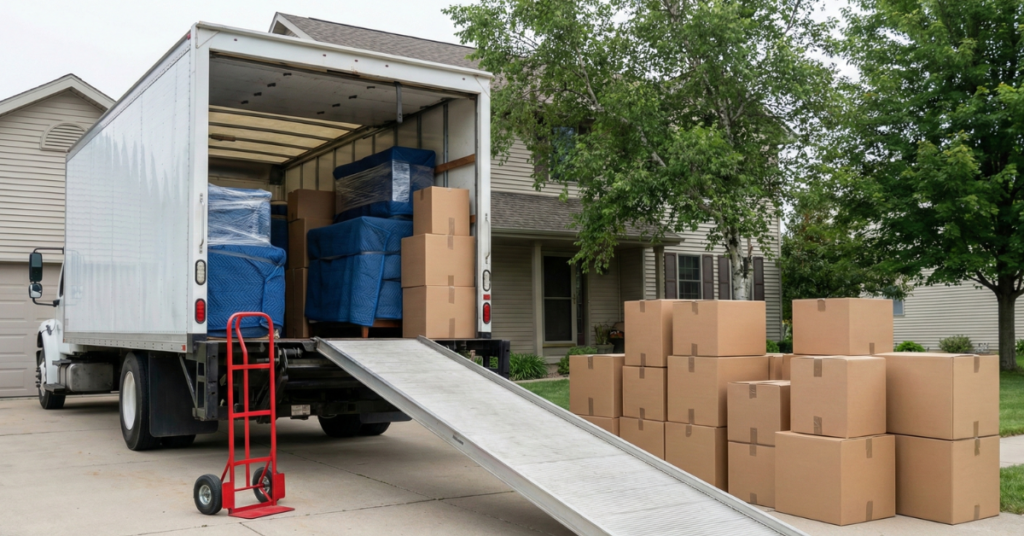
Slate sections are loaded flat near the truck’s axle for stability. Nothing is stacked on top of the slate during transport. Ratchet straps secure every component to prevent shifting. For heavy item moving in Green Bay, lift gates and specialized dollies help manage the extreme weight safely on and off the truck.
Reassembly, Leveling, and Setup
At the new location, the frame and legs go up first. Slate sections are carefully placed and shimmed to achieve a perfectly level surface. Seams between three-piece slate are filled with beeswax and smoothed flat. The felt is stretched and secured, rails and pockets are reattached, and a final leveling check ensures accurate ball roll across the entire surface.
Precision leveling is critical. A pool table that’s even slightly off-level produces unpredictable ball movement. Professional movers use machinist-grade levels rather than standard carpenter levels to achieve the accuracy that quality gameplay requires.
Can You Move a Pool Table Yourself? (Risks of DIY)
It might seem like a good way to save money, but moving a pool table without professional help is one of the riskiest DIY projects a homeowner can attempt. The potential for damage and injury almost always outweighs the savings.
Common DIY Mistakes That Damage Pool Tables
The most frequent mistake is trying to move a table without disassembling it. This puts enormous stress on the joints and frame, and even small bumps can crack the slate beyond repair. Replacing a cracked slate section is expensive because slate pieces are matched to each other during manufacturing, so you often can’t replace just one piece.
Other common errors include improper felt removal (which tears the cloth), failing to label parts during disassembly, and skipping the leveling process after setup. These mistakes lead to repair bills that frequently exceed what professional moving would have cost. Knowing when to call professional movers in Green Bay can save you hundreds in avoidable repairs.
Injury Risks and Hidden Costs
Individual slate sections weigh 150 to 250 pounds each. Without proper lifting equipment and technique, back strains, crushed fingers, and dropped components are real dangers. Pool tables shift unexpectedly due to uneven weight distribution, and one wrong grip can send someone to the hospital.
Hidden costs of a DIY move add up fast: tool rentals, packing materials, truck rental, and potentially a second professional service call to fix what went wrong. Pool tables are one of those things you didn’t know movers can handle, and letting experts take over protects both your table and your body.

How Do You Set Up a Game Room After Your Pool Table Arrives?
Getting the table into your home is only half the job. Setting up the room around it for comfortable, enjoyable play matters just as much. Green Bay homes are well-known for spacious basements and rec rooms, and a little planning goes a long way.
Room Size Requirements by Table Size
Your room needs enough clearance on all sides for players to draw back a full-length cue without hitting walls or furniture. Here are the minimum room dimensions for standard 58-inch cues:
- 7-foot table: 16’2″ x 12’9″ minimum room size
- 8-foot table: 17′ x 13’4″ minimum room size
- 9-foot table: 18’4″ x 14’6″ minimum room size
If your space is tight, shorter 48-inch cues reduce the required clearance by about a foot in each direction. Measure your room before the move so your movers know exactly where to set up.
Flooring, Lighting, and Leveling Considerations
Hard, flat flooring like concrete, tile, or hardwood provides the most stable base for a pool table. Carpet can work, but thicker carpeting allows table legs to sink unevenly over time, which throws off the level. Protective pads under each leg prevent scratches on hard floors and help distribute the table’s weight.
Overhead lighting should hang about 3 feet below the ceiling to illuminate the playing surface evenly without creating shadows. And remember that Wisconsin homes settle over time, so floors are rarely perfectly flat. Professional specialty item moving services include shimming and precision leveling to compensate for these natural imperfections.
Ready to Move Your Pool Table in Green Bay?
Moving a pool table is a big job, but it doesn’t have to be stressful. With the right crew handling disassembly, transport, and setup, your table arrives safely and plays perfectly in its new home.
Whether you’re relocating across Green Bay, moving from Appleton to De Pere, or setting up a brand-new game room in Howard or Suamico, Green Bay Moving Co. has the experience and equipment to get your pool table where it needs to go. Our team handles every step with care, from wrapping each slate section to achieving a precision-level playing surface.