Skip to content







Moving across the country alone is one of the biggest adventures you can take in life. Whether you’re starting a new job, chasing new opportunities, or simply ready for change, it takes courage, organization, and preparation. This article provides practical tips for moving across the country, covering everything from budgeting and packing to working with movers and settling into your new state. If you’re planning a cross-country move or your first solo move, this detailed guide will help you make the move confidently and cost-effectively
Why Moving Across the Country Alone Can Be Life-Changing
Choosing to move across the country alone means embracing independence. It’s not just about transporting boxes; it’s about creating a new chapter in life. When you’re traveling alone, there’s no one to rely on but yourself and that builds resilience.
Many people move to another state for career opportunities, family, or education, but for others, it’s a personal journey. Whether you got a job in a new place or simply need a fresh start, moving cross-country alone tests your planning and adaptability. The key is preparation: knowing what to expect and having a reliable moving service or professional movers to help with logistics, loading, and unloading.
How I Moved Across the Country: Step-by-Step Guide
1. Set a Realistic Timeline for Your Move
Planning a long-distance move requires structure. Start by setting your moving date at least two months in advance. Break your moving process into stages packing, cleaning, hiring movers, and setting up your new home.
Create a weekly checklist:
- Week 1–2: Research neighborhoods and moving companies.
- Week 3–4: Begin decluttering and packing non-essential items.
- Week 5–6: Book professional moving services or rent a moving truck.
- Week 7–8: Finalize details, clean, and prepare for moving day.
A clear moving checklist makes your journey across the country smoother and helps you avoid last-minute stress.
2. How Much Should You Budget for a Cross-Country Move?
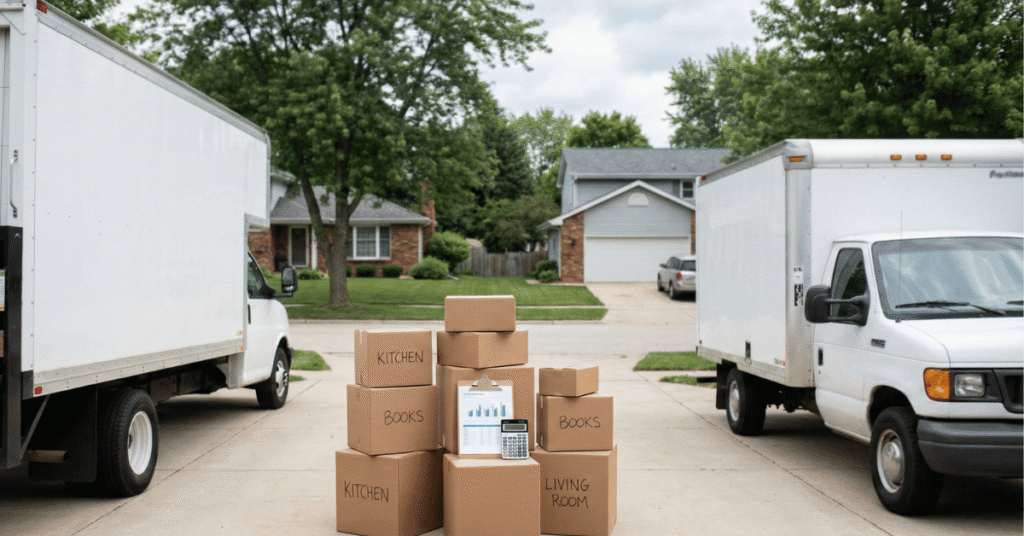
Your moving budget depends on distance, belongings, and whether you choose a DIY move or hire movers. Start by estimating your moving expenses including supplies, transportation, and post-move cleaning or repair.
Typical moving costs include:
- Moving truck or container rental
- Packing supplies and free moving boxes
- Gas, tolls, and overnight stays
- Utility installation fees at your new place
- Food and emergency cash
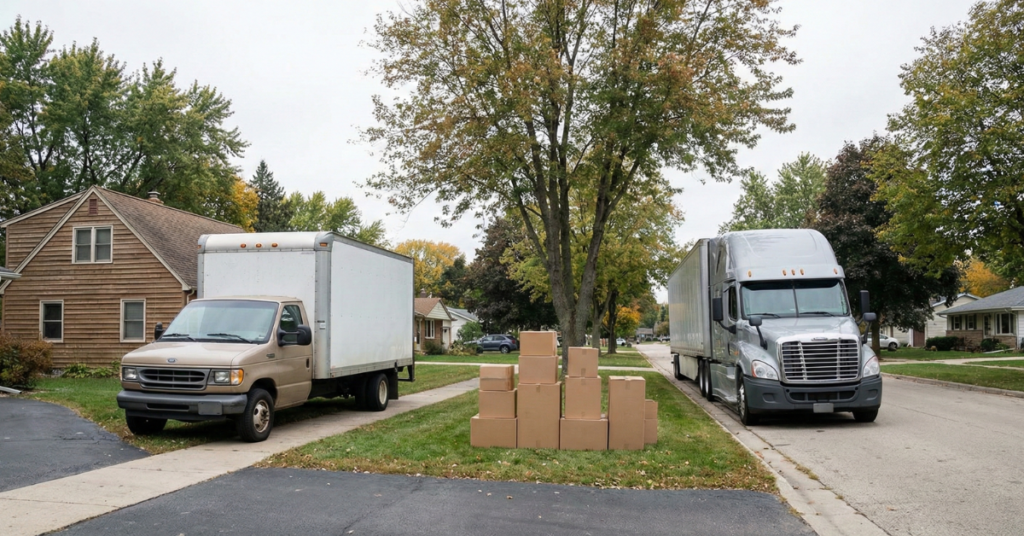
Compare the cheapest way to move (such as using portable moving containers) with hiring professional movers. For large moving jobs, professionals often save time and reduce physical strain, making them a cost-effective way to move across the country.
3. What Is the Best Way to Move Across Country?
When thinking about how to move across the country, there are several moving options:
- DIY Move: Drive a moving truck yourself for complete control, though it’s physically demanding.
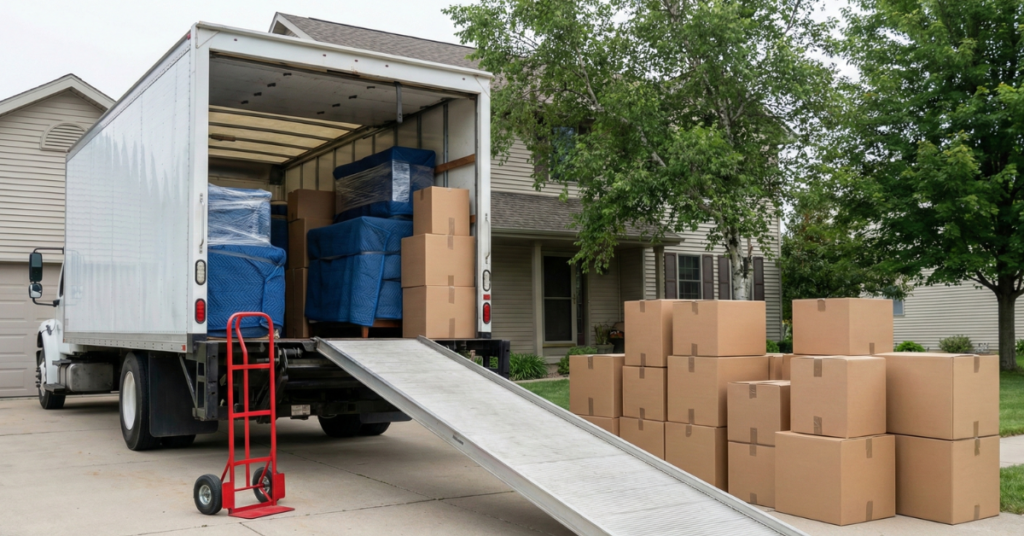
- Hire Professional Movers: Best for those who want peace of mind and help with loading, cleaning, and installation.
- Use Moving Containers: Portable containers allow flexible loading and shipping schedules.
Each way to move has pros and cons, so decide what fits your budget, time, and comfort level.

4. How to Choose the Right Mover
Hiring a trustworthy mover is one of the most important tips for moving across country. Research moving companies with good reviews, proper licensing, and insurance.
Ask these key questions:
- Does the company handle long-distance moves?
- Are they insured for damage and delays?
- Do they offer packing services or just transportation?
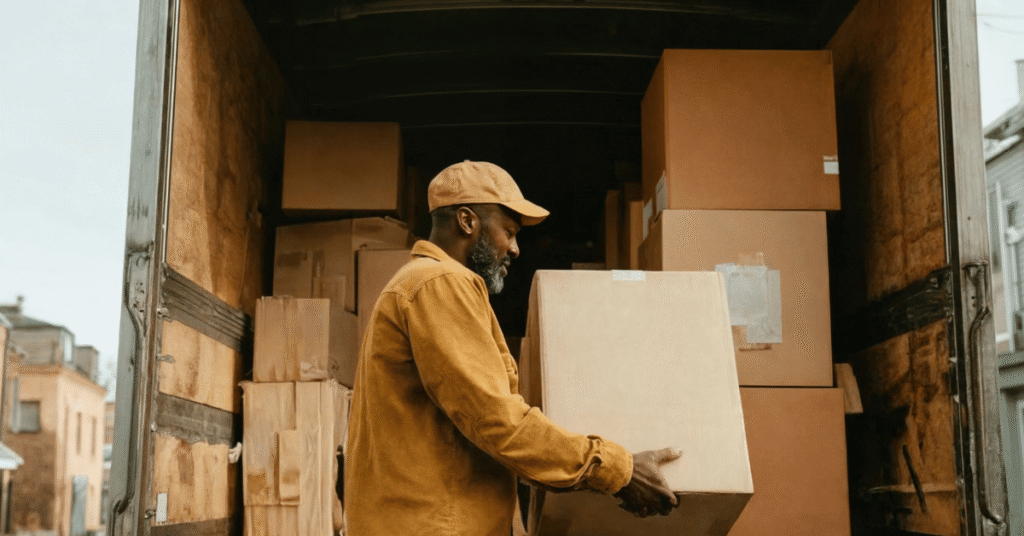
Professional movers manage everything from loading to unloading, ensuring your items arrive safely. For fragile or valuable items, hire professional packers who know how to protect and handle them properly.
5. Packing Tips for a Cross-Country Move
Packing efficiently can make or break your cross-country move. Use sturdy boxes and label everything clearly.
Practical packing tips:
- Wrap fragile items in towels or clothing.
- Keep heavy items in smaller boxes to prevent breakage.
- Pack a “first-night box” with essentials snacks, cleaning supplies, and chargers.
- Photograph electronic setups before disassembly for easy reinstallation.
If you’re moving alone, start packing early to avoid last-minute chaos. Consider hiring moving help for large furniture or electronics.
6. Decluttering Before Moving Day
Before packing, declutter your home to reduce weight and cost. This also helps with cleaning and organization.
Decluttering checklist:
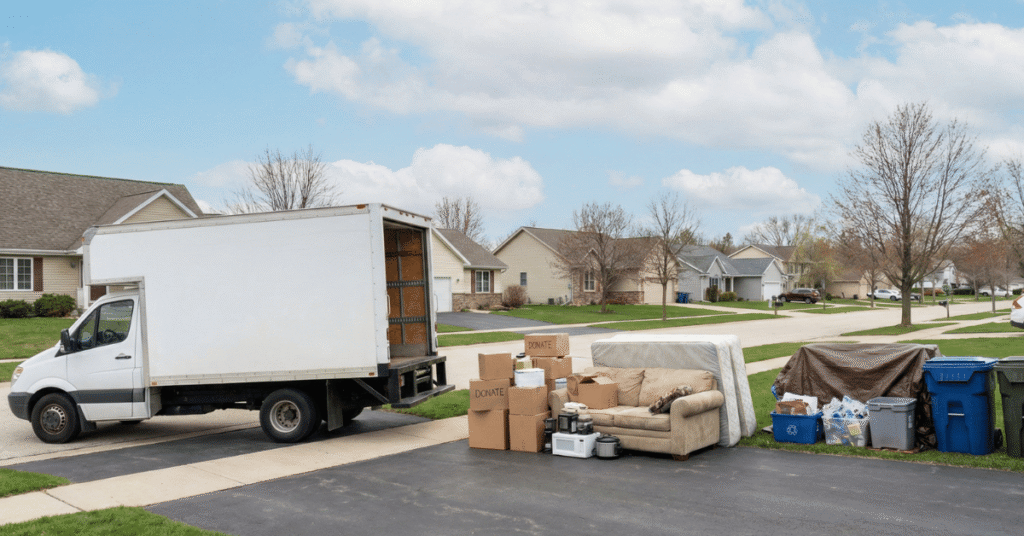
- Sell or donate furniture you don’t plan to move.
- Recycle electronics and old materials.
- Discard expired items and unnecessary duplicates.
Decluttering lightens your load and ensures a smooth moving day. Plus, a clean, organized start in your new home feels refreshing.
7. How to Stay Organized on Moving Day
The big moving day can be stressful, but preparation keeps things on track. Keep a binder with receipts, contracts, and emergency contacts. Have essentials packed in a small bag, including food, chargers, and medications.
If you plan to drive a moving truck, plan your route, rest stops, and fuel stations. Take breaks every few hours when driving across long stretches to stay alert.
Staying organized minimizes mistakes, especially when you’re doing a solo move.

8. Should You Hire Movers or Rent a Truck?
The decision to hire movers or rent a truck depends on your situation.
- Hire movers if you have a large load or need full-service support (packing, cleaning, installation).
- Rent a truck for smaller, budget-friendly moves.
For long-distance moves, professional moving companies often provide better value when considering labor, safety, and time savings. Always get quotes from multiple companies before deciding.
9. What to Do When You Arrive in Your New State
Once you’ve made the move, focus on settling in. Start by cleaning your new home before unloading furniture. Then unpack essential rooms first bedroom, kitchen, and bathroom.
Smart unpacking strategy:
- Unpack one room at a time.
- Recycle boxes as you go.
- Schedule minor repair or installation tasks early (curtains, shelves, etc.).
Getting organized early helps you adjust faster and makes your new place feel like home.
10. How to Adjust After Moving Across the Country Alone
Adapting to a new state can feel overwhelming. Start by exploring the area and introducing yourself to neighbors. Join community events or online local groups to meet new people.
If loneliness creeps in, remember that moving alone is temporary soon, your new place becomes familiar. Take time to decorate, explore, and enjoy your new surroundings.
Piece of advice: A positive mindset and daily routine make it easier to adapt to life across country.
11. What Are Common Mistakes to Avoid During a Long-Distance Move?
Even experienced movers make mistakes. Avoid these pitfalls during your cross-country move:
- Not labeling boxes properly
- Forgetting to confirm booking details with movers
- Ignoring moving insurance coverage
- Underestimating the moving expenses
Preparation and communication are key. Always double-check contracts and schedules before making a move.
12. Why Professional Movers Make Moving Easier
A professional moving company simplifies your relocation experience. They handle packing, transportation, and unloading efficiently allowing you to focus on the transition.
Benefits of hiring professional movers:
- Skilled handling of furniture and appliances
- Fewer damages during transit
- Support with unpacking, installation, and cleaning
- Peace of mind during your long-distance move
If you’re thinking about moving alone but feeling overwhelmed, hiring movers may be the best way to move across the country.

Conclusion
A cross-country move is more than just a change of address it’s a major life milestone. With proper planning, a detailed moving checklist, and help from professional movers, you can make your move efficient and stress-free.
Remember, every moving experience is different, but being prepared will save time, money, and frustration. Whether you rent a moving truck, use portable moving containers, or hire professionals, the goal is to reach your new place safely and confidently.
If you’re ready to start moving across the country alone, take these moving tips seriously they’ll make your transition smoother and your next chapter exciting.