





Moving into a new home is exciting, but the packing process often feels overwhelming. Without a structured plan, you end up with clutter, unlabeled boxes, and last-minute stress that makes moving day chaotic. That’s where a room by room packing checklist comes in.
This article will guide you step by step through a room-by-room packing plan, showing you the best way to pack each area of your home, how to label boxes properly, and how to make unpacking manageable. By following this room-by-room packing guide, you’ll stay organized, protect fragile items, and move with ease without the chaos.
Why Should You Follow a Room by Room Packing Checklist?
Packing a house without a clear packing plan leads to stress and mistakes. Essentials get buried, fragile items break, and movers struggle with boxes that aren’t labeled properly. A structured room-by-room packing checklist ensures you:
- Pack one room at a time for a manageable process.
- Label each box clearly to stay organized.
- Use the best way to pack fragile items with bubble wrap, towels, and packing paper.
- Avoid last-minute chaos by packing first in storage spaces.
Following a checklist by room makes the moving process stress-free and prevents damage during the move.
What Is the Best Packing Strategy to Pack a House Room by Room?
The smartest packing strategy is to start packing with least-used rooms and move toward everyday essentials. By packing first in storage areas, garages, and guest bedrooms, you create momentum.
This packing by room approach also allows you to:
- Avoid damage by packing fragile items carefully.
- Stay organized with labels on every box.
- Keep essential items accessible in a box for easy access.
A room-by-room guide eliminates clutter and helps you move with ease.
How Do Labels Keep Your Move Organized?
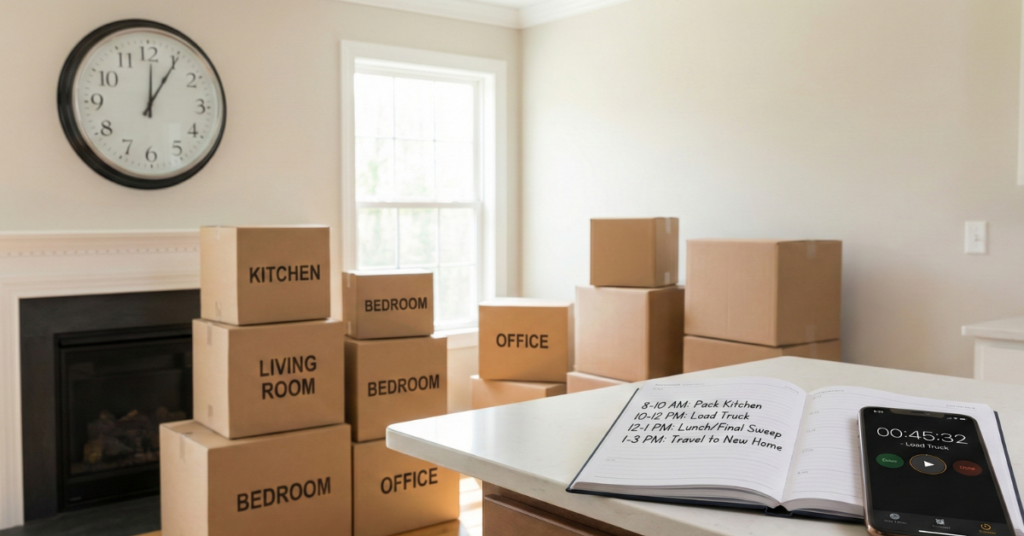
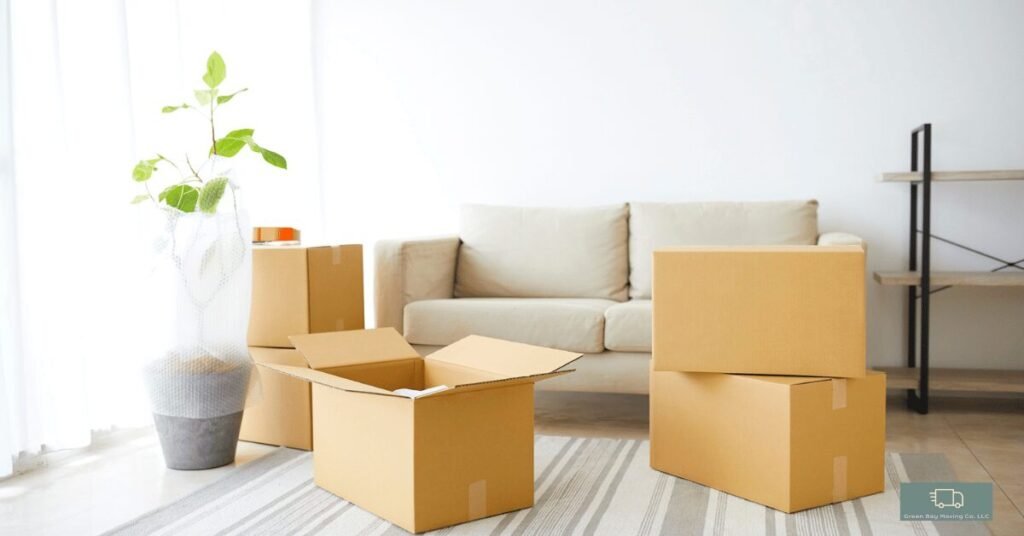
Labeling is the backbone of a smooth packing process. If you don’t label boxes, you’ll face last-minute stress when trying to unpack. Movers also benefit from labeled boxes since they know where each box belongs.
- Always label each box by room and contents.
- Use color-coded stickers or clear packing tape for quick recognition.
- Write “fragile items” or “electronics” where needed to avoid damage.
When you label every box, unpacking becomes faster and stress-free.
Which Storage Areas Should You Pack First?
It’s time to pack the spaces you rarely use. Storage areas like attics, basements, and closets usually contain clutter and non-essential items such as holiday decorations or old linen. Begin packing here:
- Gather your packing supplies and begin packing these spaces early.
- Use packing boxes with strong packing tape for heavy items.
- Wrap fragile items with paper or bubble wrap before boxing.
By clearing out storage spaces and garages, you make your move more manageable and avoid last-minute chaos.
How to Start Packing Bedrooms and Closets?
Bedrooms often contain essential and non-essential items. The best way to pack is to go one room at a time:
- Start by packing off-season clothing and extra towels.
- Use wardrobe boxes for hanging clothes to avoid wrinkles.
- Label boxes with every room clearly listed for easy unpacking.
- Keep one set of linen per person for the final night.
This room-by-room packing plan ensures bedrooms remain functional until moving day.
What Is the Best Way to Pack Kitchen Items?
Packing the kitchen is tricky because it contains fragile items and daily essentials. A packing checklist for the kitchen should include:
- Pack electronics like blenders and appliances you don’t use daily.
- Use paper or bubble wrap to protect dishes and glassware.
- Keep important items like a frying pan and coffee maker in a box for easy access.
This packing the kitchen strategy ensures you avoid damage and still have essentials available until moving day.
How Do You Pack Bathrooms Without the Chaos?
Bathrooms need careful planning. Start packing spare towels, extra toiletries, and backup cleaning supplies. Keep daily essentials like toothbrushes, soap, and shampoo until the final day.
For a stress-free move:
- Prepare a small box with medications, hygiene items, and important items you’ll need quickly.
- Use clear packing methods so movers know these boxes contain fragile liquids.
This ensures your bathroom items are ready for installation in your new home.
What’s the Best Way to Pack Electronics and Fragile Items?
Electronics and fragile items need special care:
- Pack electronics with padding, bubble wrap, or towels.
- Label boxes with “fragile items” and “avoid damage” warnings.
- Keep chargers in a labeled bag so they don’t get lost.
A mover or professional packing services can help with packing fragile items like TVs, monitors, and delicate décor.
How Do Moving Companies Help With a Room-by-Room Packing Guide?
Hiring professional moving companies makes packing and transport easier. Movers know the best way to pack room-by-room:
- They use strong packing tape and packing supplies.
- They handle heavy items, fragile items, and electronics carefully.
- They create a room-by-room checklist for moving that keeps every box labeled.
Professional moving services also help with cleaning, repair, and installation when needed, making your move stress-free.
What Should You Pack Last Before Moving Day?
Packing last-minute essentials is critical to avoid last-minute stress. Prepare a box for each family member:
- Include toiletries, snacks, and bottled water.
- Pack chargers, glasses, and important documents.
- Keep clothing, towels, and important items in a labeled essentials box.
This box for easy access ensures you won’t scramble during moving day.
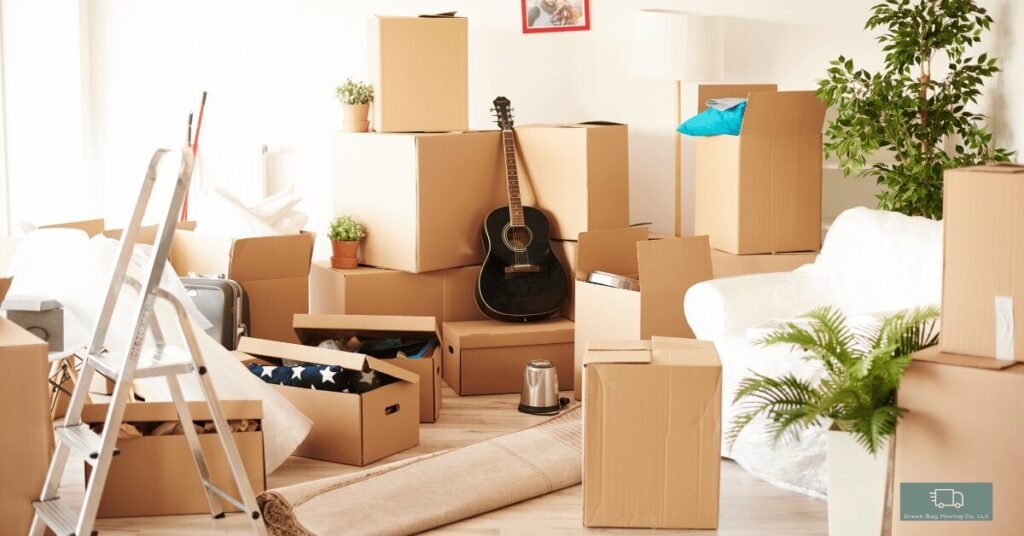
How Do You Stay Organized and Avoid Last-Minute Chaos?
To stay organized, always follow these packing tips for moving:
- Pack room-by-room and label boxes clearly.
- Avoid packing everything randomly go room by room.
- Gather your packing supplies early to save time.
- Use clear packing tape and bubble wrap for fragile items.
When it’s time to pack, a checklist for each room will keep the packing process manageable and make your move stress-free.